
Meningitis is a rare but serious infection that can become severe very quickly. In recent years, cases of meningococcal disease have increased across parts of Europe, particularly among children, adolescents and young adults.
Talking about health in the classroom can sometimes feel difficult or overly technical. These resources were created to make those conversations more accessible, engaging and practical for students and educators alike.
Using collaborative games and interactive challenges, students explore:
The aim is to encourage curiosity, discussion and informed understanding in a format that feels active, supportive and easy to use in schools.
Developed with the Department of Infectious Diseases at the Saint-Étienne University Hospital, in collaboration with the Chair of Prevention, Vaccination and Infection Control at the PRESAGE Institute (PREvention in Global Health) at Jean Monnet University.

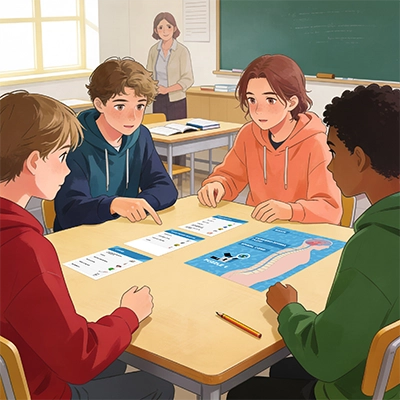
Games can help students engage with complex topics in a way that feels approachable and memorable.
The activities on this site are designed to:
No specialist scientific knowledge is needed, and all activities are designed to work in ordinary classroom settings.
A social deduction game inspired by classic group game “Werewolves of Thiercelieux”, where players work together to identify hidden carriers and limit the spread of infection.
Students discover ideas such as:
Designed for group play, discussion and quick classroom sessions.
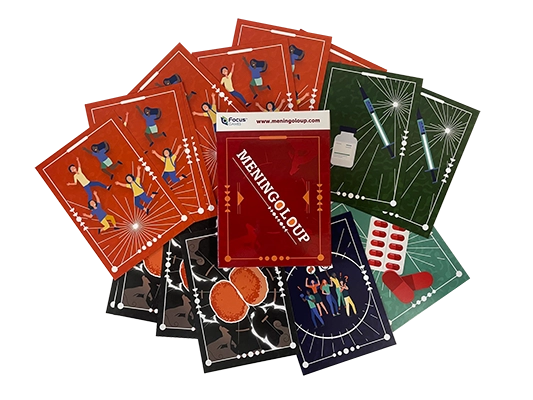
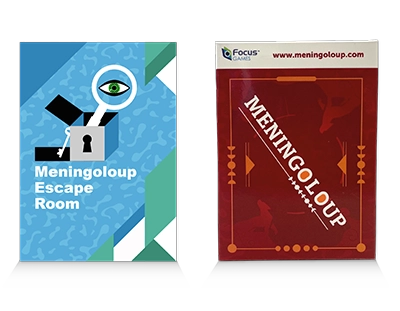
A collaborative escape-room style activity where students investigate a suspected case of meningitis by solving puzzles and challenges together.
Through teamwork and problem-solving, students explore:
Easy to facilitate using printable classroom materials.
Resources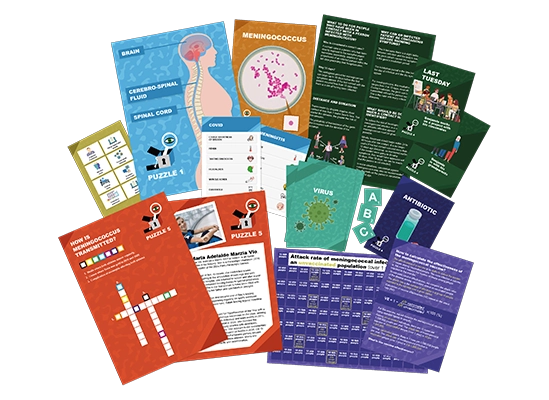
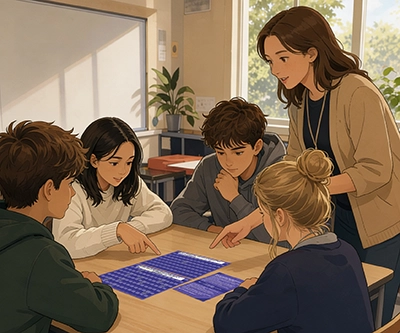
These activities were developed with input from healthcare professionals, educators and public health specialists to support accessible, evidence-based learning.
The materials are designed to:
Suitable for:
The information used throughout these activities is based on guidance and educational resources from recognised public health and medical organisations.
For personal medical advice or vaccination guidance, please speak with a healthcare professional or consult trusted public health sources.